When I first started my own recovery from anorexia, the idea of being ‘fully recovered’ felt almost impossible to imagine. I truly believed that some part of the eating disorder would always be with me, that food would always be a source of anxiety and preoccupation. This belief was shaped not only by my own experience, but also by what I had heard from others. That partial recovery was the best I could hope for. But then I began working with a recovery coach through anorexia recovery coaching who genuinely believed in the possibility of full recovery, not just ‘being in recovery.’
At the time, this felt so far removed from my reality, especially when something as simple as eating lunch could trigger overwhelming panic. Full recovery seemed completely out of reach. Yet, as time went on, I began to see just how important this idea was. Not only for my own healing, but for the hope and perspective it can offer to others who are struggling.

What’s the Difference Between “In Recovery” vs. “Fully Recovered”?
If you are in recovery from an eating disorder, it means that you are actively working on changing the thoughts, behaviours, and beliefs that sustain your eating disorder. Maybe you’re following a meal plan, challenging food rules, learning new coping skills, and getting support. You’re making progress, but the eating disorder is still present in your thoughts or behaviors to some degree. And you may still have urges to engage with it. Being “in recovery” is a brave and necessary phase of a process that allows you to live a life that is not governed by food or weight.
Full recovery is about so much more than simply stopping eating disorder behaviours. It is a complete shift in mindset and perspective. Food, weight, and body image no longer dominate your thoughts or dictate your daily life. You are able to eat without rules or anxiety, and you can trust your body’s cues. Eating disorders can touch every part of a person’s life. Relationships, work, even how you relate to rest, money, and so much more. Full recovery means that the eating disorder mindset no longer shows up in any area of your life, and you are free to pursue a meaningful, connected life without being held back by restriction, scarcity, or constant preoccupation.
Accepting Your Body and Releasing ED Behaviors
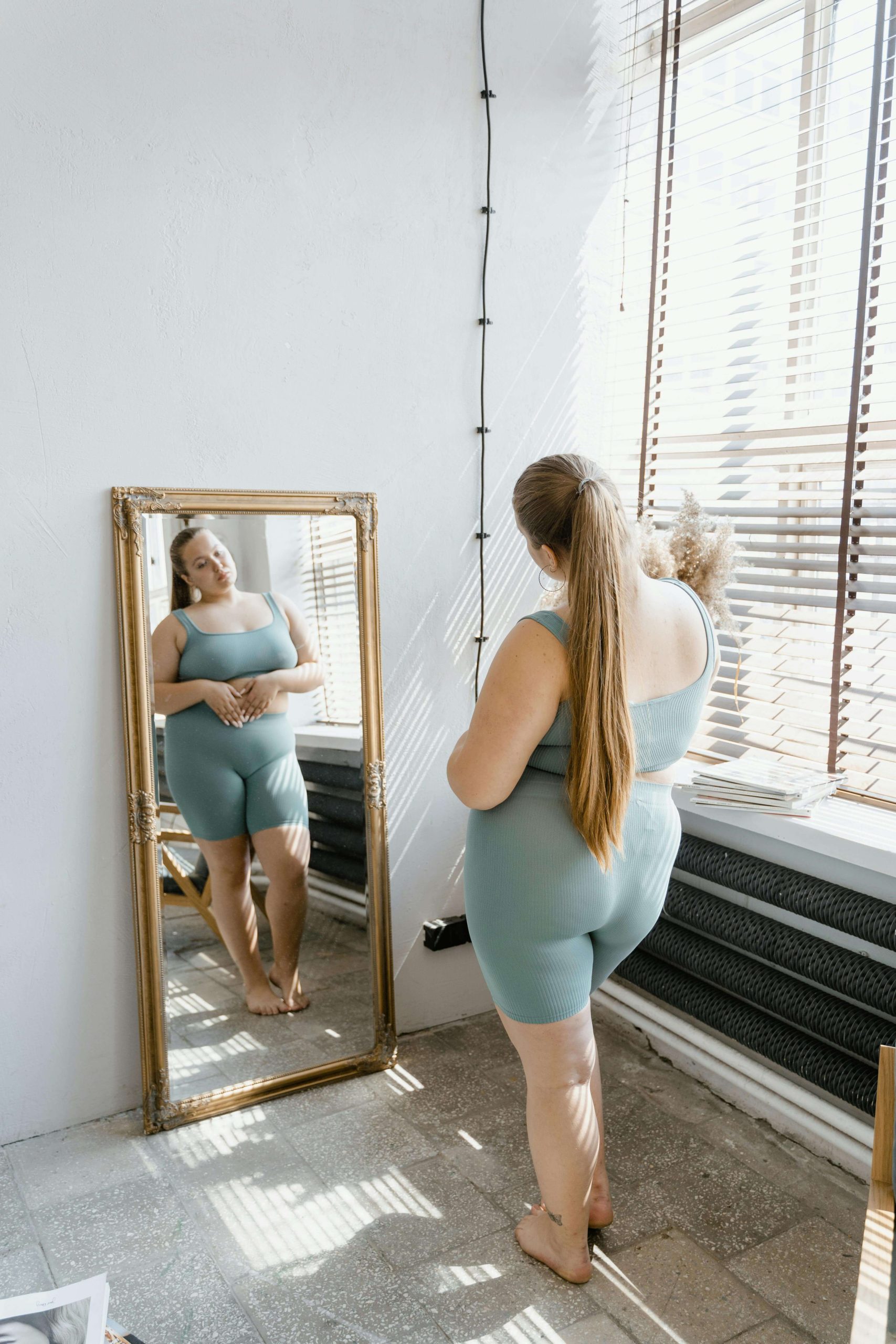
Being recovered is when the person can accept his or her natural body size and shape and no longer has a self-destructive or unnatural relationship with food or exercise. When you have recovered from food and weight, take a proper perspective on your life and what you weigh is not more important than who you are. In fact, actual numbers are of little or no importance. When recovered, you will not compromise your health or betray your soul to look a certain way, wear a certain size, or reach a certain number on a scale. When you are recovered, you do not use eating disorder behaviours to deal with, distract from, or cope with other problems.
There is a school of thought that says anyone who has ever had an eating disorder will always be ‘in recovery,’ even if they no longer have symptoms. This is similar to the approach in Alcoholics Anonymous, where people continue to identify as alcoholics no matter how long they have been sober. Some treatment programs and professionals also share this perspective with their clients.
Others, including clinicians, advocates, and many people with lived experience, believe that full recovery is absolutely possible. From this perspective, being fully recovered means that the eating disorder no longer has any influence over your thoughts, behaviours, or the way you live your life.
Why the Difference Matters
This distinction really matters because it shapes what we believe is possible for ourselves. If we are told that we will always be ‘in recovery,’ it can feel as though our hopes and dreams will always be limited by ongoing struggles with food and body image. It can make the future feel smaller. On the other hand, believing in the possibility of being ‘fully recovered’ opens up the idea that the eating disorder does not have to be in control, and that true healing—and even thriving—is possible.
At This Point, You May Be Wondering: Is Full Recovery Truly Possible?
Is full recovery actually possible for me? My answer is yes. It is absolutely possible to fully recover from an eating disorder, even after many years of struggle. I have experienced this myself, and I have met many others who no longer think or act in ways shaped by an eating disorder. Full recovery is real, and it is within reach.
That doesn’t mean that life is suddenly perfect. Or that you will never have a difficult day or a moment of self-doubt. But the eating disorder no longer controls your choices, your self-worth, or the way you show up in your relationships and work. Those old patterns and thoughts lose their power over you.
Full recovery takes time, and it is not always a straightforward path. There may be setbacks along the way. But holding onto the belief that full recovery is possible can be incredibly motivating. My own coach always held this hope for me, and hearing ‘this is possible for you’ was both powerful and deeply encouraging. It helped me aim not just for managing symptoms, but for building a truly meaningful life beyond the eating disorder.

What Helped Me to Fully Recover The Most
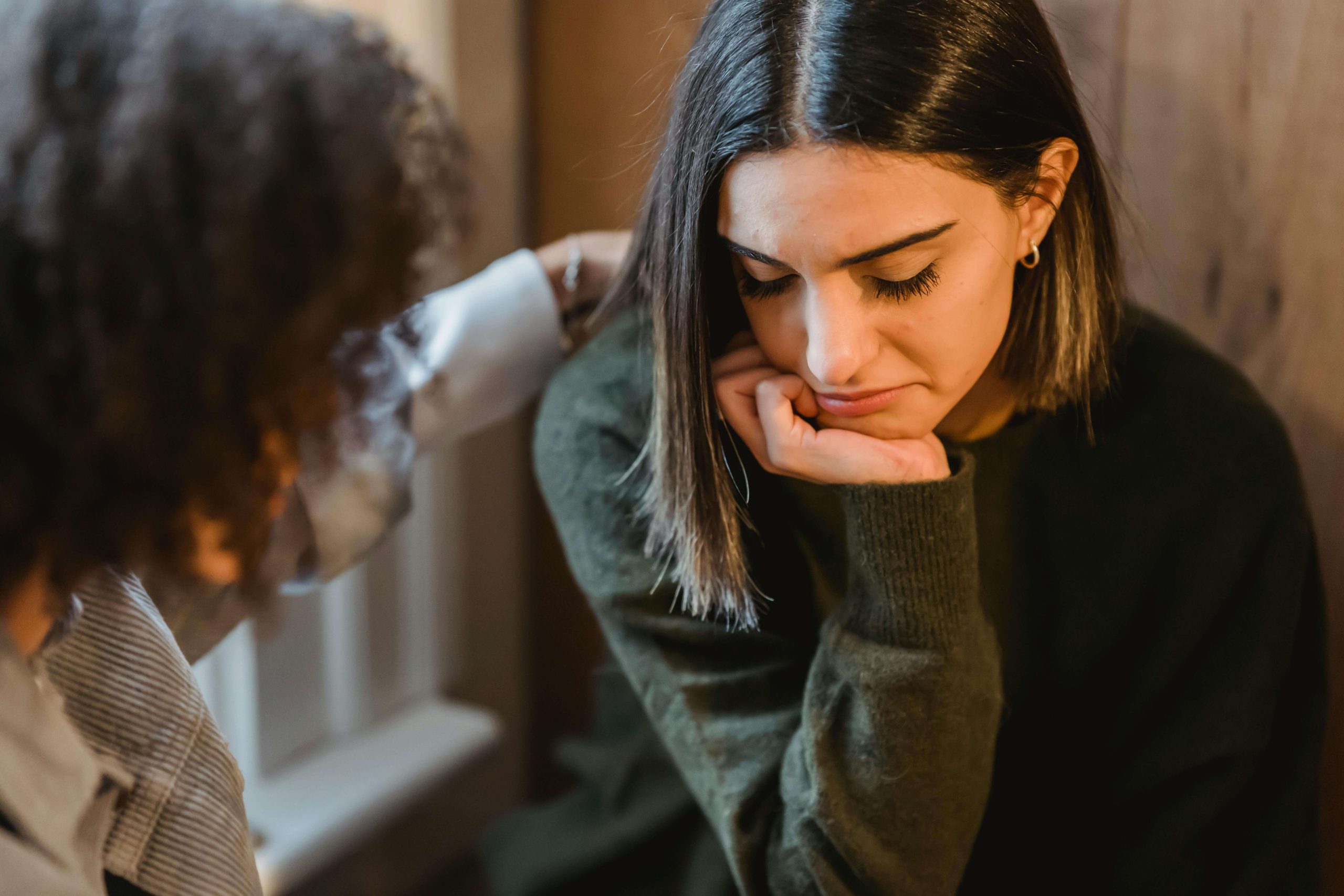
A crucial truth I’ve learned is that you cannot fully recover from an eating disorder on your own. Eating disorders thrive in isolation, and the path to recovery is simply too steep and complex to manage alone. Support—whether from a recovery coach, therapist, recovery group, friends, or family—makes all the difference. It’s the safety net that catches you when you stumble and the encouragement that keeps you going when things feel impossible. Reaching out for help isn’t a sign of weakness; it’s an act of courage. Being vulnerable and sharing your eating disorder thoughts and behaviours isn’t shameful, it’s brave and a vital step in reclaiming your life. Allowing others in gives you perspective, accountability, and the sense that you’re not fighting this battle by yourself.
Working With Someone Who Believes in Full Recovery
Probably the biggest difference was working with a anorexia recovery coach who advocated for full recovery. Nobody had ever said that to me before, and my assumption was that I would be at best 80% recovered and have the remaining 20%. But working with someone who can say to you, “ Even if you don’t believe it, I believe it. And I’m not making this up because I have seen other people fully recover. I believe you can get through this, I believe you can tolerate the discomfort.” That was (and is) extremely powerful, and that is what the goal always was – full recovery, not settling for a halfway house
Having consistent, compassionate, and unconditional support and accountability made a huge difference for me. It meant that I had someone to turn to when I needed help the most. Someone to gently keep me on track with my goals. Support doesn’t mean never being challenged. It means having someone who cares enough to notice when eating disorder behaviours are creeping in, and who will help you stay aligned with your recovery.
Non-Negotiable Goal Setting
Non-negotiable goal setting and taking action were also key. In every anorexia recovery coaching session, we would come up with something specific for me to work on or move towards. Sometimes it was adjusting a behavioural goal that hadn’t gone as planned. Or sometimes it was a journaling exercise, reducing exercise, or even listening to a particular podcast. There was never a week when I didn’t have something to focus on, even during the hardest times. And I think that was so important. It kept the momentum going, and even the smallest steps forward helped build my confidence and break through the feeling of being stuck.
Acting Your Way Into Thinking Differently
And to recover from an eating disorder, you have to act and think differently. My eating disorder recovery coach used a phrase—I’m not sure if it was his own or borrowed, but I love it and now use it with my clients too, because it’s so true:
You can’t think your way into acting differently; you have to act your way into thinking differently.
For so long, I believed that if I could just change my thoughts, my actions would follow. But in reality, it was the willingness to do things differently—even when my mind resisted—that shifted everything. Taking those first steps, whether it was eating more than I wanted, eating a fear food, resting instead of exercising, or reaching out for support, felt deeply uncomfortable and unfamiliar. Yet, it was through these repeated actions that my mindset gradually changed. Over time, the things that once felt impossible or terrifying became normal parts of life, and my thoughts began to catch up with my new behaviors. This approach was fundamental to my recovery. It’s something I encourage for anyone on this path: don’t wait to feel ready. Let your actions pave the way for your healing, and trust that your mind will follow.
Envisioning Life Beyond the Eating Disorder
So what does life beyond anorexia actually look like? The truth is, it’s different for everyone, and it is never perfect. Life will always include stress, loss, pain, and uncomfortable emotions. But all of these things feel so much more manageable without the constant burden of an eating disorder. When I speak with others who have fully recovered, the same themes come up again and again: recovery brings a sense of connection, creativity, and the ability to be truly present in your own life.
My Experience of Life Without an Eating Disorder
Recovery meant learning to face myself. To sit with discomfort and difficult emotions, to manage anxiety, and to reach out for support instead of withdrawing. These are skills that have given me real resilience to cope with whatever life brings.
Beyond resilience, the greatest gift recovery has given me is the ability to truly reconnect with my family and friends in a way that just wasn’t possible when I was living with an eating disorder. It is almost impossible to be fully present with someone when your mind is constantly occupied by the relentless voice of the eating disorder. Now, I can say yes to an impromptu meal with my husband, or enjoy lunch with friends without calculating, compensating, or feeling ashamed. I can explore interests outside of food and exercise, and move my body for pleasure and the joy it brings, rather than out of a need to change or control it. Recovery has also meant being able to travel and genuinely enjoy new places, without being consumed by thoughts of what to eat, when to eat, or how to fit in exercise.
Recovery has finally allowed me to feel at home in my own skin. It has opened up my world in ways I never thought possible. When I was in the grip of an eating disorder, my life became so small. Shrinking down to the size of my plate. Now, my world feels so much bigger and more full of possibilities.
Embracing the Possibility of Full Recovery
If you are in recovery right now, please know that ‘fully recovered’ is not a myth. It is a future you can create for yourself, one step at a time. At Healthy Self Recovery, we support you in taking those steps, helping you build the skills and confidence to live a life beyond the eating disorder—you truly deserve to live it fully.
Take the Next Step Toward Lasting Healing with Anorexia Recovery Coaching in England and the rest of the UK
If you’re ready to move beyond daily food anxiety and restrictive patterns, anorexia recovery coaching in England can provide the support and guidance you need. At Healthy Self Recovery, our experienced team helps you build the skills, mindset, and confidence to achieve full recovery. Don’t wait to reclaim your life—start your journey toward lasting freedom from your eating disorder today. Follow these three simple steps to get started:
- Reach out to book a free discovery call
- Begin working with a compassionate British eating disorder recovery coach
- Start taking the next step toward full recovery from anorexia!
Additional Services Offered at Healthy Self Recovery
At Healthy Self Recovery, I support individuals with anorexia nervosa through every step of their healing journey, helping them build lasting, meaningful change. My approach combines personalised eating disorder recovery coaching with guidance on the thoughts, emotions, and behaviors that maintain the disorder. This includes ongoing support such as text check-ins for encouragement and accountability when you need it most. Recovery can feel isolating, which is why I focus on providing consistent, compassionate support so you feel seen and understood. I also offer meal support sessions to safely challenge food rules, develop practical skills, and ensure your recovery plan aligns with your medical team’s recommendations. Together, we create a plan tailored to your unique needs. Empowering you to step into a life of confidence, freedom, and fulfillment beyond your eating disorder.
I work with clients online across England, the UK, and beyond, offering flexible coaching designed to fit your lifestyle. Together, we’ll nurture healthier habits, strengthen your sense of self, and foster a more peaceful, sustainable relationship with food.