Disclaimer: While I’m based in Asia, I offer virtual eating disorder recovery coaching to clients in the UK, Ireland, and worldwide. I pride myself on transparency and trust—so you’ll always know what to expect and how our sessions work, no matter where you are. Rest assured, my location doesn’t limit the quality or depth of support you’ll receive—my commitment to your recovery remains the same, wherever you’re reaching out from.
To those unfamiliar with an eating disorder, body checking may appear to harmless, a check in the mirror or stepping on the scales. However, for someone struggling with an eating disorder, these behaviours can become deeply ingrained and serve to maintain the illness.
Body checking often becomes compulsive, reinforcing negative thoughts and anxieties about weight and body shape. It often persists even after more obvious eating disorder behaviours have improved, quietly undermining recovery. In this blog, I hope to offer some understanding of what body checking is, why it can be so harmful, and some gentle strategies to help you move forward, in addition to support from eating disorder recovery coaching.
Now that we’ve discussed the broader context, let’s look more closely at what body checking actually means in the context of eating disorders.
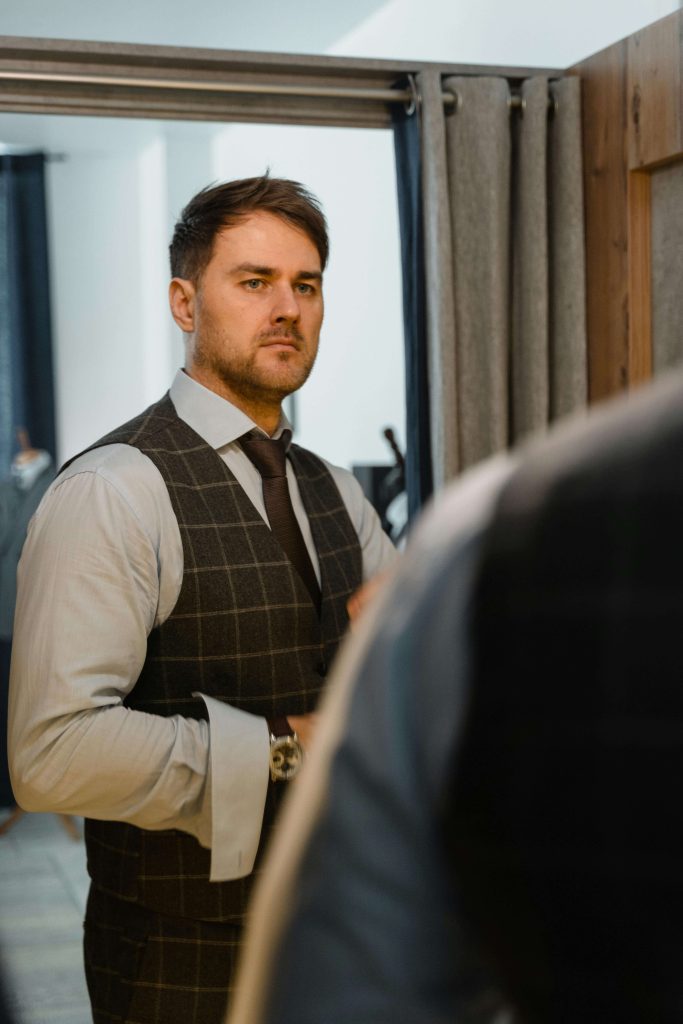
What is Body Checking?
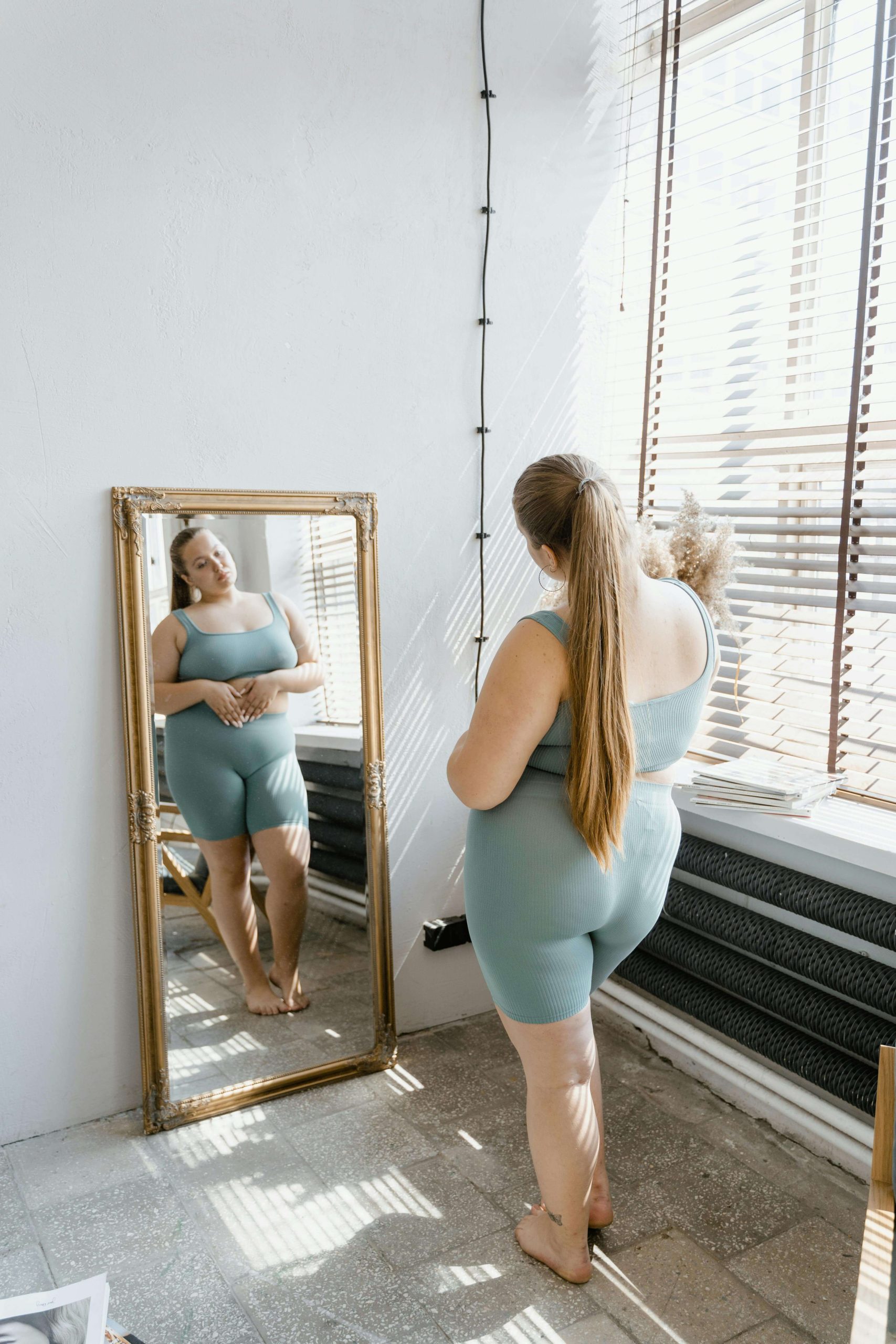
Body checking is a very common part of eating disorders and is a significant driver of body image distress. Body checking is when someone repeatedly checks, measures, touches, or looks at one’s body or parts of one’s body in an attempt to gauge size, weight, or any apparent changes in appearance. This compulsive behaviour can make the distorted body image feel even more overwhelming. The way body checking shows up can be different for everyone: some people may find themselves fixating on their thighs, others on their stomach, arms, or even how their body looks when sitting down.
Examples of Body Checking
- Frequently weighing oneself
- Focusing on specific body parts in the mirror
- Measuring parts of one’s body
- Pinching or squeezing parts of one’s body -eg, waist, stomach, arms – to see if they have changed from the last “check”
- Checking for fat, bone, or muscle
- Obsessively assessing how clothes fit to see if weight or shape has changed.
- Obsessing over photos – past, present, and of other people
- Looking for constant reassurance about weight, shape, body from self and other people
- Staring at oneself in any mirrored object – car, shop windows, etc
- Comparing one’s body to others to see if it is bigger or smaller
After considering what constitutes body checking, it’s important to understand why these behaviours can be particularly damaging during eating disorder recovery.
Body checking can feel like it offers relief or control, such as feeling reassured when the scale stays the same. However, these behaviours actually increase anxiety and distress over time by keeping focus on weight and shape. Rather than provide comfort, body checking magnifies perceived flaws and can make recovery harder, sometimes causing setbacks.

Strategies to Reduce Body Checking
See if you can gently explore why you might be doing this. Like all eating disorder behaviours, body checking serves a purpose. Journaling can be a helpful way to identify what you feel you are getting from it. For example, does it offer reassurance, or does it quieten the eating disorder voice for a moment?
Notice how you feel after checking: does relief last, or does anxiety return? Does the behaviour help in the long run, or does it fuel more distress?
Make a plan to gently challenge the behaviour. If you are working with a certified eating disorder recovery coach, they can help you create a plan to reduce body checking, while also offering support and accountability. There are different ways to approach this, and it is important to choose what feels most manageable and comfortable for you. For example, you might try:
- Reducing the Behaviour: Reducing the measurement of a body part by 25% and then 50% etc.
- Postponing/Delaying the Behaviour: Postponing checking yourself in the mirror to a specific time of day.
- Limit: The amount of time you can look in the mirror/ change outfits.
Try to identify some alternative things you can do when the urge to body check arises. This might include grounding techniques or simple distractions like playing a game on your phone. If you find yourself wanting to measure or touch certain parts of your body, you could try using a fidget toy or keeping your hands busy with something like colouring.
How to Break Free from Body Checking with Professional Support
While these are some practical strategies to help reduce body checking, it is also important to work alongside your therapy team or a certified eating disorder recovery coach. Together, you can begin to identify and reframe the negative and limiting beliefs you may hold about your body, and start to practise self-compassion.
It is understandable if stopping body checking does not feel like a priority at the start of recovery, but as you move forward, it becomes an essential part of the healing process and help you build confidence. Like all eating disorder behaviours, changing this takes time and patience, but it is a vital step towards true recovery.
If you’re struggling with body checking, you’re not alone. Eating disorder recovery coaching support is available, and reaching out to Healthy Self Recovery can make things feel more manageable.

Gently Break Free from Compulsive Body Checking with Eating Disorder Recovery Coaching in England
If body checking is keeping you stuck in fear and self-doubt, you don’t have to face it alone. Eating disorder recovery coaching in England can offer the compassionate guidance and practical tools you need to move forward. Reach out to Healthy Self Recovery today to begin feeling safer, calmer, and more supported on your path toward lasting healing. Follow these three simple steps to get started:
- Reach out to book a free discovery call
- Begin working with a compassionate British eating disorder recovery coach
- Start breaking free from compulsive body checking and move toward lasting healing!
Additional Services Offered at Healthy Self Recovery
At Healthy Self Recovery, I offer eating disorder recovery coaching online in England, Scotland, Ireland, and worldwide, supporting clients in taking steady, meaningful steps toward long-term healing. Together, we work to reduce harmful patterns like body checking, rebuild trust in your body, and cultivate a calmer, more balanced relationship with food and movement.
Our sessions gently explore the thoughts, emotions, and habits that keep body image distress and eating disorder behaviours in place. Alongside this deeper work, you’ll receive practical strategies to manage urges, shift unhelpful beliefs, and strengthen self-compassion. Between sessions, I provide text-based support and guided eating sessions when you need additional encouragement or structure.
In addition to general eating disorder support, I also offer anorexia nervosa recovery coaching, providing specialised, compassionate guidance for those rebuilding both physical stability and emotional resilience. Wherever you are on your recovery journey, I offer flexible, personalised coaching to help you feel safer in your body and move toward lasting peace.
About The Author
Certified Eating Disorder Recovery Coach | Registered Nutritionist (Dip ION)
Marianna Miles combines rigorous training from the Carolyn Costin Institute with her own lived experience of eating disorder recovery to offer informed, compassionate support. As a Certified Eating Disorder Recovery Coach and Registered Nutritionist, she works with clients across the UK and worldwide. Marianna is dedicated to providing evidence-based guidance that empowers individuals to reclaim their well-being, strengthen their relationship with food, and move toward lasting recovery.