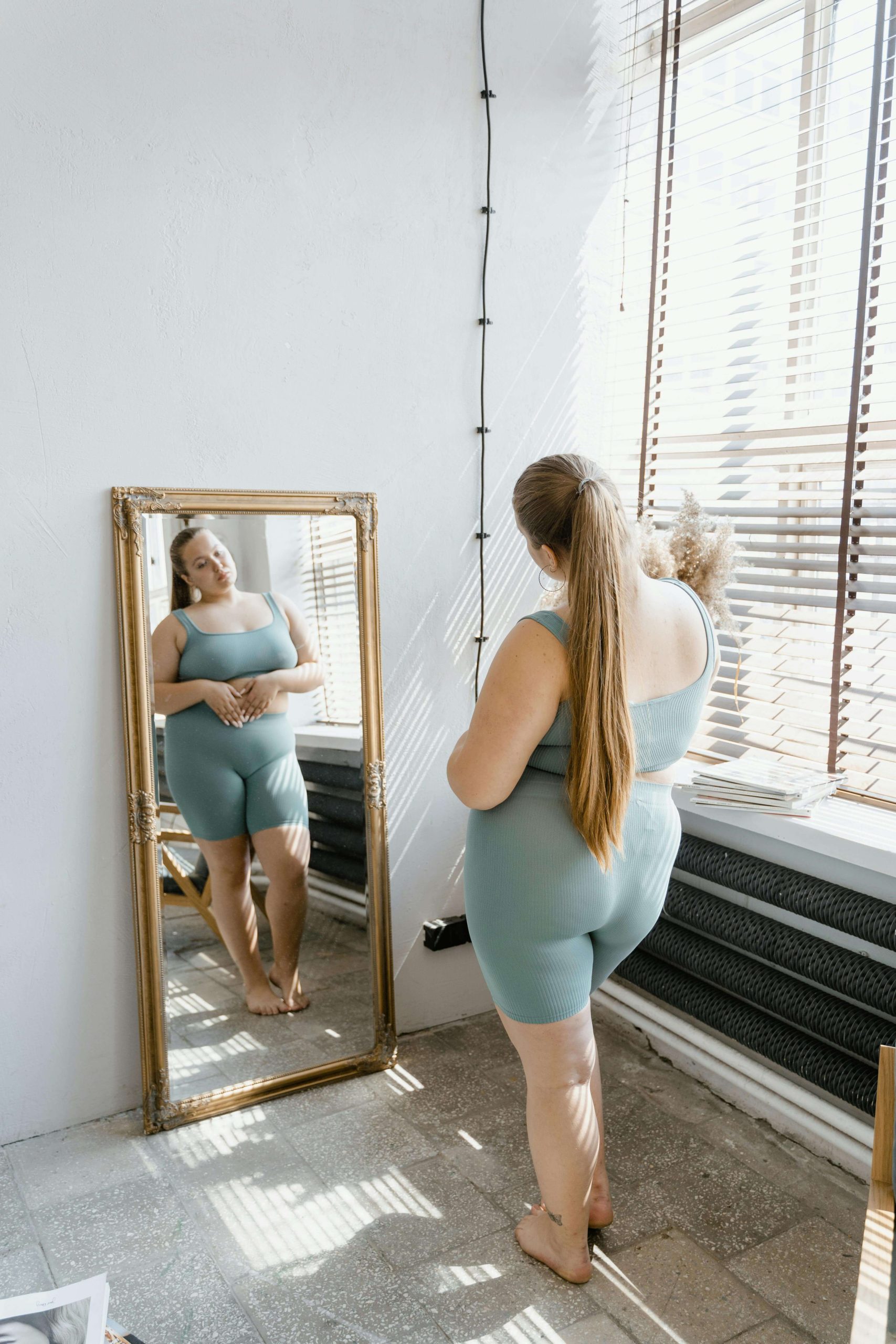
So much of an eating disorder is about anxiety around food, and amongst this, someone will always have a particular list of foods that cause them the most anxiety, distress, and guilt.
These are known as fear foods, and an important part of recovering from an eating disorder is addressing these and learning to eat them again without anxiety, fear, or guilt. Through eating disorder recovery coaching in England, individuals can receive structured guidance and compassionate support to face these fears and rebuild trust with yourself and healthy relationship with food.

What Are Fear Foods?
Fear foods are specific foods (or sometimes whole food groups) that, due to an unhelpful and/ or incorrect belief, trigger feelings of anxiety, guilt, or distress. Fear foods are very individual. More often than not, there are foods that diet culture and social media label as “bad,” unhealthy. For some people, a fear food might be pizza and bread, for someone else it could be peanut butter, ice cream, or cake. The common thread is the mistaken belief that these will cause someone to immediately put on weight, which causes a lot of distress.
Why Do Fear Foods Develop?
Diet culture is everywhere we go, dividing foods into “good” or “bad” categories. Whether we want to or not, it’s alarmingly easy to internalise the message that some food should be feared and that eating it will inevitably change our bodies in ways we are supposed to dread. Food suddenly gets tangled up with anxiety and rules. The black and white thinking that is so common in an eating disorder latches on to this. Quickly our brain tricks us into thinking the best way to deal with something we are anxious about is to avoid it. The reality is that avoidance doesn’t make the fear go away. In fact, it makes it grow even bigger, reinforcing the cycle of fear and avoidance.
How to Work With Fear—Why Exposure Matters
The best way to address anxiety about fear foods is through structured and repeated exposure. Just as with other anxieties, the more we face the thing we fear in safe and supported ways, the less power it has over us. Each time you eat a fear food and nothing bad happens, your brain gains evidence that this food is safe. This process takes time, but each time you do it, anxiety reduces until that food becomes neutral in your mind.
Accountability and support are crucial pieces in exposure to fear foods; otherwise, our brain’s fear response kicks in, and the temptation to continue avoiding the food is too great. Working with a recovery coach can be a fantastic way to help challenge and normalise fear foods. Not only can they help plan the exposure and provide the accountability but they can also challenge the food with you so that you are in a safe and supported environment with a trusted ally who has the tools and experience to help you through the challenge and de-brief afterwards.
Steps for Challenging Fear Foods
Facing fear foods can feel intimidating, but breaking the process into small, structured steps makes it more manageable. With patience and consistency, each step helps retrain your brain and build confidence around food again. Here are tips from an eating disorder recovery coach to help you begin challenging your fear foods in a supportive, sustainable way.

Make a List of Your Fear Foods
Start by writing down all the foods that make you feel scared, and rank them from least to most frightening. This allows you to plan to start challenging and introducing these foods in a structured way that does not feel impossible or overwhelming.
Make a Plan
Think about how you will challenge one of these fear foods. Make the plan as specific as possible. This really helps ensure you will follow through with challenging the fear food. Think about who you might eat the food with (if you work with a recovery coach, this is ideal). Think about where you might eat the food—when starting out, try to choose a place that feels safe. Having a plan in place for a distraction or activity afterwards is also key. Examples could be watching a specific TV show, playing cards, or journaling.
Start with a Lower-Risk Food
Begin with a food at the lower end of your list. Challenging, but one of the lesser anxiety-provoking options. The goal is to build confidence, not overwhelm yourself.
Take Gradual Steps
Start with one fear food a week. If you try too many fear foods or a too-difficult fear food, you will feel defeated very quickly. Depending on your level of anxiety, you may be starting with just a few mouthfuls of it and gradually building up to a full portion increase. For example, if bagels are a fear food, you could start with a quarter of a bagel and slowly increase, or with 1 tablespoon of ice cream, building up to a full scoop or more.
Repeat the Process Multiple Times
Our brain learns through repeated behaviour. Eating a fear food once is not enough for it to rewire and think it is safe. We need repeated exposure to that food for our brains to unlearn old beliefs and for it to lose its power.
Food is Not Something to be Feared
Learning and trusting that no single food is “bad” or will make you put on weight, and that all foods fit, is an important part of recovery. The only way to do this is to expose yourself to the foods you fear most. With practice, the guilt, anxiety, and shame around these foods fade and are replaced by neutrality. Working with eating disorder recovery coaching can provide the structure, accountability, and encouragement needed to take these steps with confidence. By doing this, you take one step closer to seeing food just as food. Not a moral issue, not a threat, not a reward. At Healthy Self Recovery, we believe that lasting recovery is possible for everyone. Take one step at a time, and be kind to yourself along the way.
Face Your Fear Foods with Confidence Through Eating Disorder Recovery Coaching in England
If fear foods still hold power over you, know that recovery doesn’t have to be something you face alone. With eating disorder recovery coaching in England, you can receive compassionate support, accountability, and guidance to help you challenge anxiety around food and rebuild trust in yourself. Reach out to Healthy Self Recovery today to take the next step toward freedom, balance, and peace with food. Follow these three simple steps to get started:
- Reach out to book a free discovery call
- Begin working with a compassionate British eating disorder recovery coach
- Start facing your fear foods with confidence!
Additional Services Offered at Healthy Self Recovery
At Healthy Self Recovery, I provide eating disorder recovery coaching online across England, Scotland, Ireland, and worldwide—supporting you as you face fear foods and work toward lasting recovery. Together, we focus on rebuilding trust in your body, easing anxiety around eating, and creating a more balanced relationship with food and movement.
In our sessions, we gently explore the beliefs and behaviours that keep fear and restriction in place. Together, we build practical skills to manage triggers, respond to hunger cues, and develop genuine self-compassion. Between sessions, I offer text-based check-ins and guided eating support. This ongoing connection helps you feel encouraged and grounded every step of the way.
In addition to general recovery work, I also provide specialised anorexia nervosa coaching, offering tailored, compassionate guidance for those restoring both physical health and emotional resilience. Wherever you are in your healing process, my goal is to help you move from fear and guilt to freedom and peace with food.
About The Author
Marianna Miles, CCIEDC 2061, draws on her rigorous training from the Carolyn Costin Institute and her personal experience with eating disorder recovery to support clients in the UK and worldwide. Her compassionate, evidence-based approach helps individuals reclaim their well-being and build a healthier relationship with food.