Disclaimer: While I’m based in Asia, I offer virtual eating disorder recovery coaching to clients in the UK, Ireland, and worldwide. I pride myself on transparency and trust—so you’ll always know what to expect and how our sessions work, no matter where you are. Rest assured, my location doesn’t limit the quality or depth of support you’ll receive—my commitment to your recovery remains the same, wherever you’re reaching out from.
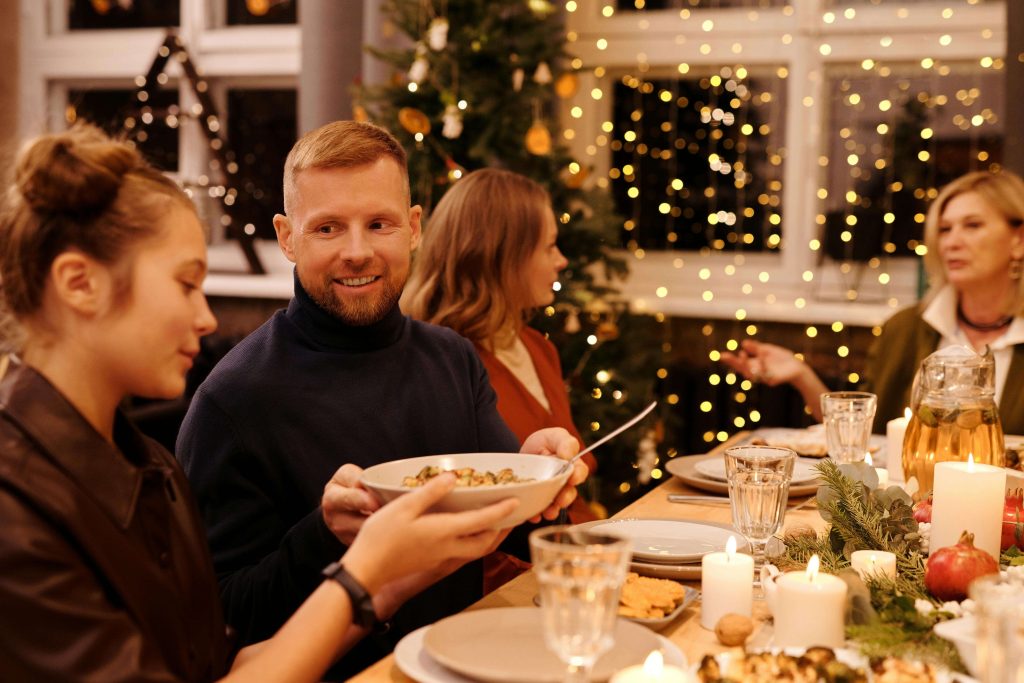
If you’re in recovery from anorexia, Christmas can be an especially challenging time. The festive season is centred around catching up with friends and family, and so many of these gatherings revolve around food. This can make things stressful, as not only does food take centre stage, but the expectation to eat can feel overwhelming. Add in the anxiety of facing fear foods and eating in front of others, plus the constant chatter about food choices, amounts eaten, or “working off” meals, and it’s a lot to manage all at once. Here are some suggestions for approaching Christmas in anorexia recovery that may help:

Recovery Means Structure, Not Intuition
If you’re recovering from an eating disorder, eating intuitively isn’t possible—or safe—right now. Your journey is different, and that’s completely okay. Christmas Day is still a recovery day. Stick to your food structure: your planned meals and snacks matter just as much as on any other day, if not more, given the extra stress and unpredictability.
Plan Ahead
Before Christmas arrives, map out your meals and snacks for the day—including how you’ll navigate Christmas dinner—so you stay close to your meal plan of three meals and two to three snacks. This goes for any day you have guests or are invited to festive gatherings. For example, plan what and when you’ll have breakfast, a snack, lunch, and another snack before sitting down to Christmas dinner. If your family opens presents before breakfast and breakfast gets delayed, ensure you have a snack within 30 to 60 minutes of waking. Or if Christmas dinner is later in the day, plan for lunch or a substantial snack between breakfast and the main meal.
If portioning is tough, think ahead about Christmas dinner. Pick someone you trust and use their plate as a guide for your own. Remember: what matters is your recovery, not what others are doing. Eating regularly and consistently throughout the day isn’t wrong or excessive—it’s what your body needs right now. The only excess was the restriction that led to anorexia in the first place.
Practice Festive Foods in Advance
If certain Christmas foods feel intimidating, don’t wait until the day itself to face them. Try eating a roast dinner, mince pies, or a different breakfast a few times before Christmas. The more familiar these foods become, the less daunting they’ll feel when the day arrives. Gentle exposure can help strip away the “specialness” and reduce the anxiety around them.
Know Your Coping Skills
If you have coping strategies that work for you when you’re overwhelmed or facing eating disorder thoughts, lean on them as much as possible. If it’s hard to use these skills around others, consider alternatives—maybe keep a fidget toy in your pocket or excuse yourself for some quiet breathing or grounding exercises (the Dropping Anchor exercise from Acceptance and Commitment Therapy is a favourite of mine). Distraction can also help, especially after meals; play a game with family or watch a film to help shift your focus.
Accept That It’s Hard—And Be Kind to Yourself
It’s normal for Christmas to feel tough, even unenjoyable, during recovery. Don’t let your inner critic convince you you’re failing for finding it difficult. You’re not. You’re facing something genuinely challenging. Remember, this Christmas is an investment in future ones—doing the work of recovery now means that, in time, food will feel less fraught and you’ll be freer to enjoy the day and the people around you.
Managing Comments and Comparisons
Comments about food, exercise, or bodies often ramp up at Christmas. Remember: your situation is different, and comparison isn’t helpful. You might find it useful to practise your responses to unhelpful comments in advance, or even visualise yourself with an invisible barrier that lets those remarks bounce right off. If someone says, “I shouldn’t eat all this” or “I’ll have to work this off later,” you can change the subject, excuse yourself, or check in with a supportive friend or coach.
Beware the Urge to Restrict Before or Compensate After
The eating disorder voice may urge you to restrict before Christmas, promising you’ll have “full permission” to eat later. But this always backfires: restricting beforehand puts your system on high alert and reinforces old patterns, making eating and choice harder when the time comes. If you give your eating disorder a hand, it takes an arm; restriction can quickly become the norm again.
Ask for Support
If you have someone supportive in your family, consider asking for their help. Explain that you might need accountability for meals and snacks, especially when you’re feeling anxious or tempted to skip meals. Let them know you may be more irritable or on edge—not because of them, but because you’re trying to manage a tough situation without leaning on your old coping mechanism. Having someone check in, eat alongside you, or simply encourage you can make a big difference. Don’t be afraid to be honest about what you’re facing and what would help.
You can also consider reaching out to an eating disorder recovery coach during the holiday season. Working with a coach can give you steady, non-judgmental support when routines shift and triggers feel louder than usual. Anorexia recovery coaching offers practical guidance—like helping you stick to your meal plan, challenging the eating disorder voice, and preparing for situations that feel overwhelming. A coach can also help you debrief after difficult moments, create coping strategies that fit your holiday plans, and remind you that your needs are valid even when everything around you feels chaotic. You don’t have to navigate this season alone; consistent, specialised support can make these weeks feel more manageable and less isolating.
Looking Ahead With Compassion and Support
Christmas in recovery isn’t easy. Show yourself some compassion. Prioritise your recovery, stick to your structure, and remember: this is just one chapter, not your whole story. Every recovery step you take now is an investment in future Christmases, where food and Christmas itself can be enjoyed without fear. If you need support navigating this season, reach out to Healthy Self Recovery.
Get Personalised Support to Navigate the Holidays With Confidence Through Anorexia Recovery Coaching in England
If Christmas feels overwhelming, anorexia recovery coaching in England can give you the structure and reassurance you need to stay grounded. A coach can help you manage meal planning, challenge eating disorder thoughts, and build coping skills for the toughest holiday moments. For compassionate, specialised support this season, reach out to Healthy Self Recovery. Follow these three simple steps to get started:
- Reach out to book a free discovery call
- Begin receiving holiday support with an eating disorder recovery coach
- Start taking the next step toward feeling more at ease this Christmas!
Additional Services Offered at Healthy Self Recovery
At Healthy Self Recovery, I support individuals moving through anorexia recovery as well as those seeking broader eating disorder recovery coaching, especially when the holiday season intensifies old patterns and anxieties. My approach blends personalised guidance with practical tools to manage the thoughts, emotions, and behaviours that make Christmas gatherings and food-focused events feel so overwhelming. This includes ongoing encouragement between sessions—text check-ins when you need accountability, help planning challenging meals, and strategies to respond to the eating disorder voice when festive expectations feel too heavy.
Because recovery can feel particularly isolating at this time of year, I prioritise steady, compassionate support so you never have to navigate meals or emotions on your own. I also offer meal support sessions to practise fear foods, build confidence, and maintain structure even when holiday routines shift. Every step we take is collaborative, working alongside your wider care team and shaping a recovery plan tailored to your unique needs, strengths, and goals.
I work with clients online across England, the UK, and beyond, offering flexible eating disorder recovery coaching that fits your lifestyle. Together, we’ll strengthen your resilience, nurture a more peaceful relationship with food, and help you move toward holidays that feel calm, connected, and free from fear.