While I’m based in Asia, I offer virtual eating disorder recovery coaching to clients in the UK, Ireland, and worldwide. I pride myself on transparency and trust—so you’ll always know what to expect and how our sessions work, no matter where you are. Rest assured, my location doesn’t limit the quality or depth of support you’ll receive—my commitment to your recovery remains the same, wherever you’re reaching out from.
Anxiety and eating disorders are deeply intertwined. For many people in recovery, it’s not just about the food — it’s the fear that surrounds it. The dread of eating something unfamiliar, the discomfort of breaking a food ritual, the urge to check and recheck your body for reassurance. These experiences are exhausting, and when you’re in the middle of them, recovery can feel completely out of reach. But it doesn’t have to stay that way. Eating disorder recovery coaching in England offers a compassionate, practical path forward — one that meets you where you are, helps you understand your anxiety, and gives you the tools to face it step by step.

Why Is Anxiety at the Heart of Eating Disorders?
At the heart of eating disorders is anxiety—often about food and its consequences. This anxiety can show up as fear of certain foods, worry about body changes, or distressing eating rituals. When you’re struggling, it might seem logical to avoid foods or situations that trigger anxiety by following strict food rules or engaging in certain behaviors. However, avoidance doesn’t reduce anxiety; instead, it makes the fear grow stronger over time.
The best way to reduce anxiety is regular, structured exposure. This means gradually facing your fears in a supportive environment, which helps your mind gather evidence that these foods or situations aren’t dangerous. Over time, with repeated exposure, anxiety lessens and previously overwhelming triggers become manageable, making daily life feel more possible again.
Why Is Facing Food Anxiety So Hard?
One of the greatest hurdles in recovery is facing this anxiety. Even when you intellectually know that food isn’t the enemy, the emotional and physical reactions can feel overwhelming. This is often what prevents people from making real progress in recovery.
How Can an Eating Disorder Recovery Coach Help?
An eating disorder recovery coach can guide you through this process and teach healthier, more sustainable coping skills for managing anxiety than those provided by eating disorder behaviors. Along the way, you’ll develop strategies that are tailored to your needs and circumstances, creating a foundation for long-term change. Having someone experienced to walk beside you can make the process feel less daunting and more achievable. During eating disorder recovery coaching, coaches provide encouragement, accountability, and practical strategies tailored to your needs.

What Does That Look Like in Practice?
By way of example, here are some of the ways as an eating disorder recovery coach that would work with someone to reduce anxiety around fear foods, letting go of food rituals, and body checking.
Fear Foods
Fear foods are foods that trigger intense anxiety and are an obstacle to recovery and having a flexible relationship with food
- Support and accountability are essential. A coach can help you plan exposures, offer encouragement, and face fear foods with you, providing a safe space to process each experience and adjust your approach.
- Start by listing your fear foods, ranking them, and creating a manageable exposure plan. Each small success helps retrain your brain so these foods become less emotionally charged.
- Reframing: A big part of facing fear foods is reframing your beliefs. An eating disorder recovery coach will help you question the beliefs you hold about fear foods. For example, is that slice of cake truly ‘bad,’ or is it simply food? Through reflection and conversation, you can begin to create new, more helpful perspectives around food.
Food Rituals:
Food rituals are repetitive behaviours, such as cutting food into very small pieces, eating foods in a particular order, or avoiding eating in front of others. These rituals can reinforce anxiety and make it harder to move forward.
- Bringing awareness to the ritual: A coach like me will encourage you to notice when rituals happen and emotions or thoughts arise. This step is about observation, not judgment.
- Gradual exposure: We’ll create small, manageable challenges—like using a different utensil or eating in a new setting—to encourage flexibility and expand your comfort zone.
Reducing Body Checking:
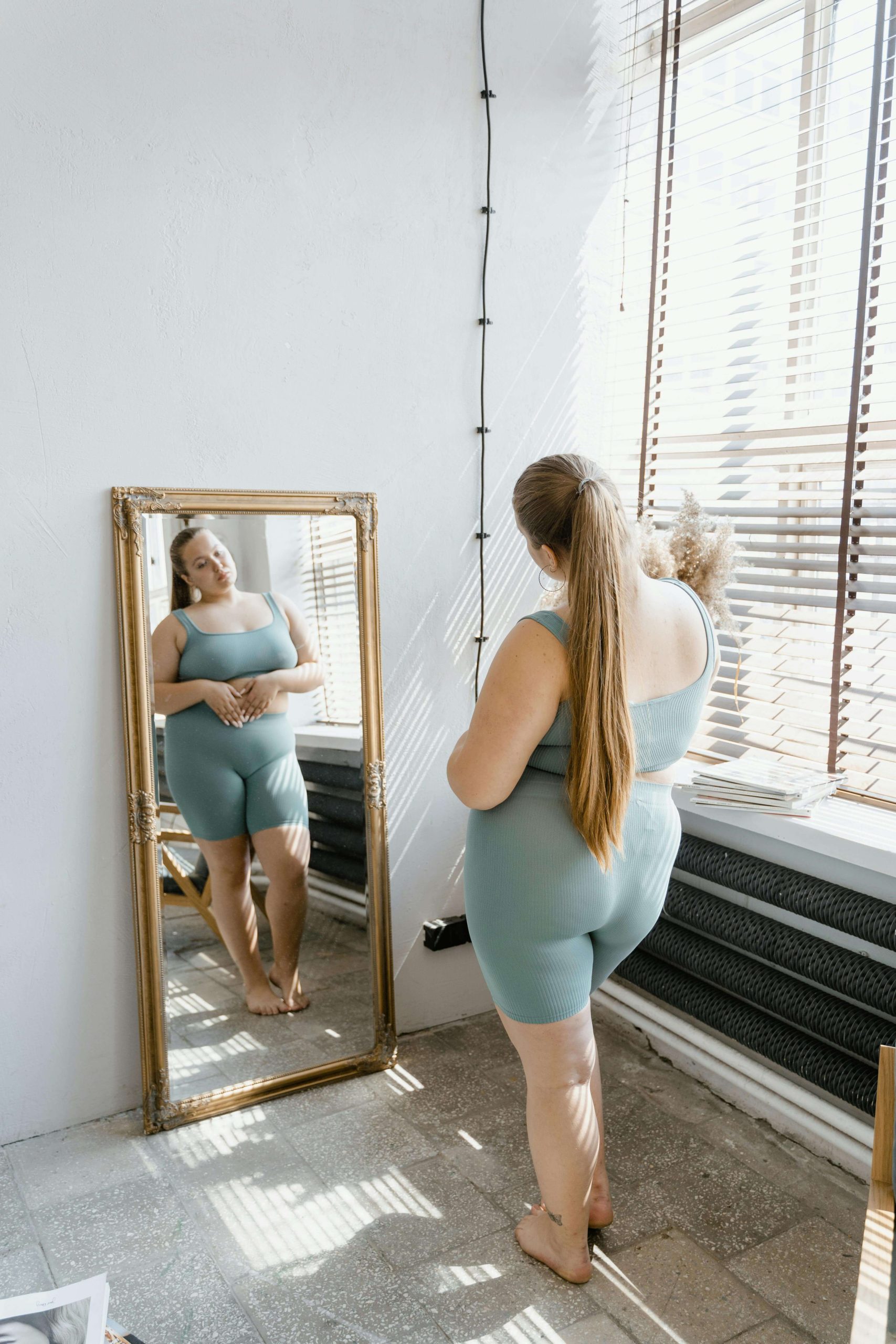
Body checking—such as frequent weighing or closely examining your reflection—can increase anxiety and make it harder to feel comfortable in your body.
- Increasing awareness: The first step is noticing when and why you check your body. Coaches encourage tracking these moments without self-criticism.
- Setting limits: Together, we might gradually reduce body checking, for example, by limiting time spent in front of the mirror or removing scales from certain rooms.
- Coaches can help you shift focus from appearance to what your body allows you to do, supporting a more neutral, accepting relationship with your body.
What Tools Will You Build Along the Way With The Support of an Eating Disorder Recovery Coach?
An eating disorder recovery coach also helps you find anxiety management techniques that work for you, building a toolbox of skills to support recovery and prevent relapse. Together, you and your coach can experiment with different strategies so that you have a variety of tools to use in all situations. Having these skills is crucial not just to overcoming an eating disorder, but also to ensuring you’re less likely to relapse in the future.
Some coping skills I commonly use with clients include specific breathing techniques, grounding exercises, defusion practices, guided meditations, making a list of supportive people to contact, distraction activities, and nervous system hacks like holding an ice cube or sucking on something sour.
Recovery is About More Than Food
Recovery isn’t just about achieving a certain weight or eating every food. It’s about reclaiming your life from anxiety and fear. Overcoming anxiety around food, weight, and body image builds confidence and resilience, giving you hope to continue moving forward in recovery. By facing your fears and learning to manage anxious thoughts and feelings, you gain lasting confidence and coping tools that benefit every aspect of your life. The journey is not always linear, but each step forward brings you closer to freedom and a life less dominated by fear.
If anxiety around food and body image feels overwhelming or impossible to overcome, please know that you are not alone, and you do not have to face this on your own. Reach out to Healthy Self Recovery for support in overcoming anxiety with food and body image.
Ready to Reclaim Your Life From Food Anxiety? Start Today With Eating Disorder Recovery Coaching in England
You don’t have to keep white-knuckling your way through food anxiety alone — specialised eating disorder recovery coaching in England can give you the structured, compassionate support you need to gradually face your fears, break free from food rituals, and build a toolbox of coping skills that last. I know how overwhelming it can feel when the gap between what you know and what you feel seems impossible to bridge, and I am here to walk alongside you every step of the way. Reach out to Healthy Self Recovery today and take the first step towards a life less dominated by anxiety — and more defined by freedom, confidence, and peace. Get started in three simple steps:
- Book your free consultation with eating disorder recovery coaching in England and take the first step towards a life less controlled by food anxiety.
- Start working with a compassionate eating disorder recovery coach who helps you face fear foods, break free from food rituals, and build lasting coping skills.
- Begin taking small, supported steps that quiet the anxiety around food and body image — even when recovery feels overwhelming.
Additional Services Offered at Healthy Self Recovery
At Healthy Self Recovery, I work with individuals who are struggling with anxiety around food, fear foods, and body image — whether that shows up as an inability to eat certain foods, exhausting food rituals, or a constant need to check and reassess your body. My eating disorder recovery coaching is designed to help you gradually face these fears in a structured, supportive way — building the coping skills and confidence you need to break free from anxiety and move forward in recovery.
I also offer anorexia recovery support and broader eating disorder recovery coaching that focuses on restoring your relationship with food, reducing anxiety around eating, and rebuilding trust with your body through consistent, manageable steps. Whether you are just beginning your recovery journey or have been struggling for some time, support at Healthy Self Recovery is compassionate, collaborative, and designed to meet you where you are.
I offer online eating disorder recovery coaching to clients across England, the UK, and internationally, making specialist, compassionate support accessible wherever you are based.