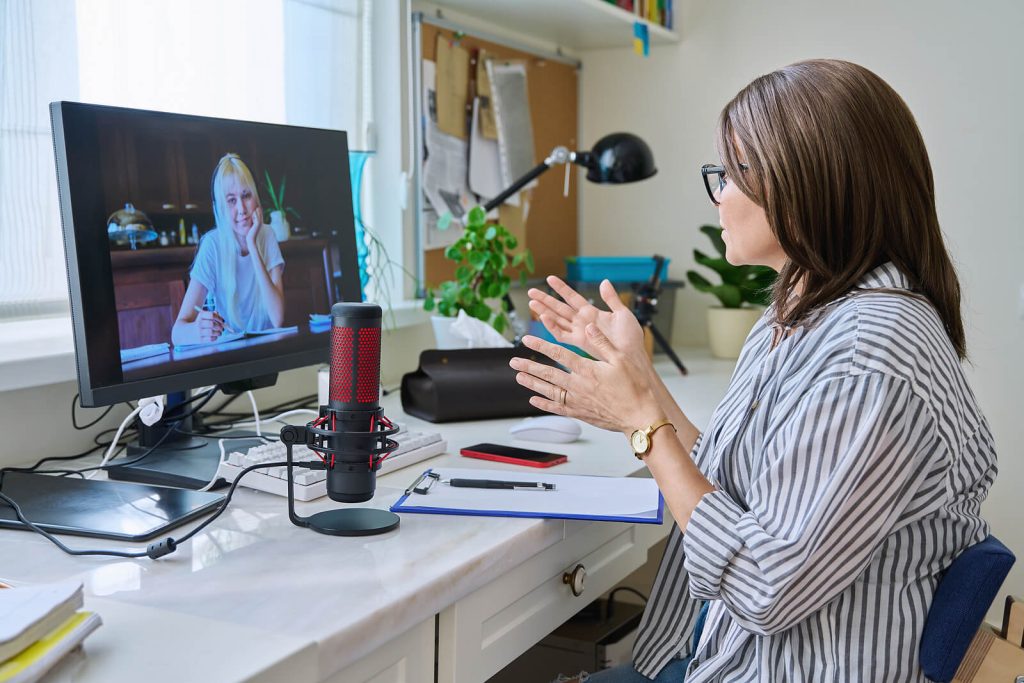
While I’m based in Asia, I offer virtual eating disorder recovery coaching to clients in the UK, Ireland, and worldwide. I pride myself on transparency and trust—so you’ll always know what to expect and how our sessions work, no matter where you are. Rest assured, my location doesn’t limit the quality or depth of support you’ll receive—my commitment to your recovery remains the same, wherever you’re reaching out from.
When we talk about eating disorders, we often focus on the suffering of the person struggling. However, eating disorders rarely exist in isolation. They can also devastate the lives of partners, friends, and family members. Through eating disorder recovery coaching in England, families and loved ones can find the support they need to navigate this challenging journey together.

The Invisible Weight on Loved Ones
Eating disorders can make relationships feel fragile and uncertain. For example, partners may notice distance or secrecy, and trust may suffer as shame builds. As a result, friends often feel helpless, unsure how to support. Emotional and physical closeness between partners may become strained, which sometimes leads to isolation for both. Meanwhile, family members can be caught between worry, frustration, and the desire to help. The emotional toll can be significant; anxiety, guilt, resentment, and fear may become part of daily life. Ultimately, the sense of emotional safety in relationships may feel diminished.
How Eating Disorder Symptoms Impact Relationships
Understanding how eating disorder symptoms affect relationships can help loved ones make sense of painful changes they’re witnessing. These symptoms don’t just impact the person struggling; they ripple outward, touching every connection in their life. From withdrawal and communication breakdowns to caretaker exhaustion and shifting family roles, the effects are far-reaching. Recognizing these patterns is the first step toward healing and rebuilding the relationships that matter most.
Secrecy and Withdrawal
Eating disorders thrive on isolation, allowing disordered behaviours to go undeterred. To avoid pressure to eat, anxiety around food, or following strict food rules, people may shut themselves off from meals, social gatherings, and family. As the eating disorder progresses, they tend to self-isolate from others—not just to engage in behaviours, but also due to low self-esteem, guilt, or shame. Feeling unworthy or like a burden, someone with an eating disorder may push loved ones away. This withdrawal leaves loved ones feeling rejected and breeds misunderstanding and mistrust.
Communication Breakdown
Communication breakdown is one of the most challenging aspects of living with or supporting someone with an eating disorder. The eating disorder can alter how a person sees themselves and make it difficult to acknowledge the seriousness of their situation. Anorexia, in particular, can become so entwined with someone’s identity that it feels impossible to distinguish where the illness ends and the person begins. Conversations about food, health, or everyday matters can quickly become tense or fraught with misunderstanding. Eating disorders often thrive in silence, erecting barriers that prevent genuine connection. At times, it may feel as if the illness is speaking through both of you, distorting words and intentions, and repeatedly turning discussions back to food or body image.
This dynamic can leave loved ones feeling alienated, while the person suffering keeps their struggles hidden. It’s important to remember that communication difficulties are symptoms of the illness—not a reflection of the love or care within the relationship. Additionally, the eating disorder can warp even well-intentioned or supportive comments, making them feel threatening or triggering. These misunderstandings can lead to defensive or even aggressive reactions, which are often deeply distressing for families and partners. It may feel as though the person you love has changed or become unrecognisable. However, these behavioural shifts are not a reflection of their true self—they are symptoms of the eating disorder.

Caretaker Fatigue
Caretaker fatigue is real for partners and family members. They often take on caregiving roles at the expense of their own well-being. Eating disorders can feel relentless and affect loved ones around the clock. Burnout and compassion fatigue are common. This is especially true when recovery feels slow or uncertain. Ambivalence often comes with an eating disorder.
Shifting Roles and Strained Dynamics
Eating disorders can profoundly change relationship roles and dynamics. In families, siblings may feel overlooked as attention shifts to the person struggling. Parents may feel guilty about not giving enough attention to other children or to each other. Disagreements about how to manage the illness can create tension and shift family and couple dynamics. Friendships may fade as the eating disorder takes up more time and energy, leaving less space for connection.
Romantic relationships can be especially vulnerable, as the illness can make closeness and intimacy difficult. Body shame, low self-esteem, and preoccupation with food and weight can affect intimacy, while hormonal changes from restrictive behaviours may reduce interest in sex. For many, the eating disorder overshadows shared experiences, and loved ones might feel as though the person they care about has been replaced by the illness. This shift can be confusing and painful, making it hard to maintain the connection that once existed.
Where Eating Disorder Recovery Coaching Comes In
Recovery is a process for everyone involved, not just the person with the eating disorder. If your loved one is struggling, it is crucial for you to seek support too. Care for yourself throughout the journey. This might mean reaching out for therapy or joining support groups. You may find educational resources or work with an eating disorder recovery coach to guide you.
Here’s how coaching can help repair relationships:
- Creating a Safe Space: Coaches facilitate honest, nonjudgmental conversations where everyone’s experience is validated.
- Setting Boundaries: Loved ones learn to set boundaries that protect their well-being while still offering support.
- Relearning Communication: Coaching offers tools to break through silence or tension. Families and partners can reconnect with empathy and clarity.
- Restoring Connection: With guided support, damaged relationships can be rebuilt. Secrecy or conflict is replaced by trust and understanding.
The journey of eating disorder recovery is not straightforward, and no one can do it alone. It takes empathy, patience, and effort from both the person in recovery and their supporters. By repairing relationships affected by the illness, you help create a supportive environment where real change is possible. If you are finding it difficult to reconnect with a loved one, seek help. If you feel the weight of supporting someone through recovery, remember you do not have to do this alone. Eating disorder recovery coaching at Healthy Self Recovery can help rebuild trust, communication, and genuine connection, empowering lasting change and renewed hope for everyone involved.
Rebuild Relationships Damaged by Eating Disorders Through Eating Disorder Recovery Coaching in England
If eating disorders are straining your relationships, you don’t have to navigate this alone. Eating disorder recovery coaching in England can help you rebuild trust, improve communication, and restore connection with the person you care about. Contact Healthy Self Recovery today to begin healing the relationships affected by this illness and create a supportive foundation for lasting recovery. Follow these three simple steps to get started:
- Reach out to book a free discovery call.
- Begin receiving support with a compassionate eating disorder recovery coach.
- Start rebuilding relationships and healing together!
Additional Services Offered at Healthy Self Recovery
At Healthy Self Recovery, I work with loved ones and family members who feel helpless, exhausted, or disconnected as they support someone through an eating disorder. Our coaching focuses on restoring communication, setting healthy boundaries, and rebuilding trust within relationships affected by the illness. I provide anorexia recovery support and eating disorder recovery coaching that focuses on restoring communication, setting healthy boundaries, and rebuilding trust within relationships affected by the illness.
Support is compassionate, collaborative, and designed to meet you where you are, with space for your own emotional needs and practical guidance for navigating daily challenges. I offer online eating disorder recovery coaching to clients across England, the UK, and internationally, making support accessible wherever you’re based.