While I’m based in Asia, I offer virtual eating disorder recovery coaching to clients in the UK, Ireland, and worldwide. I pride myself on transparency and trust—so you’ll always know what to expect and how our sessions work, no matter where you are. Rest assured, my location doesn’t limit the quality or depth of support you’ll receive—my commitment to your recovery remains the same, wherever you’re reaching out from.
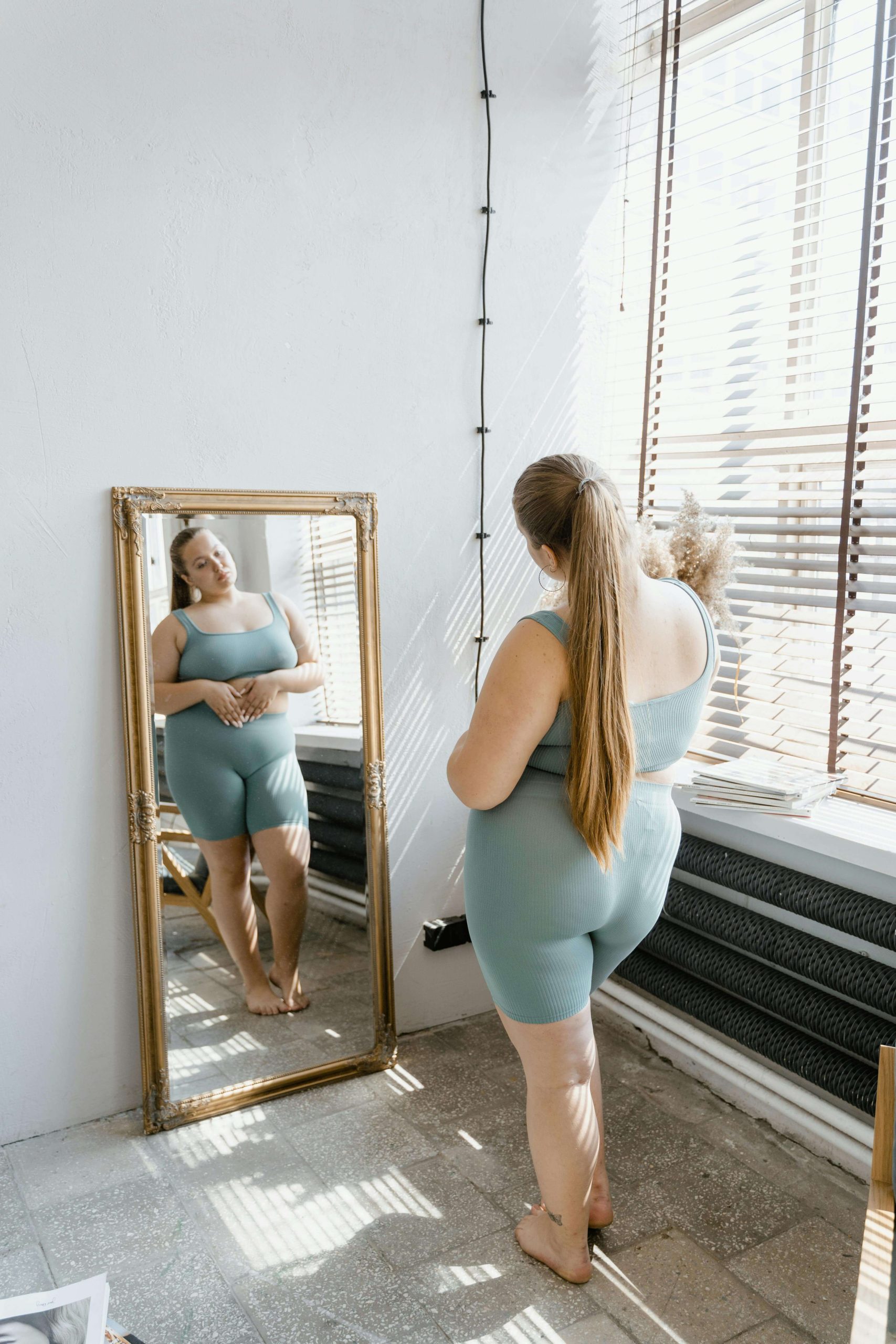
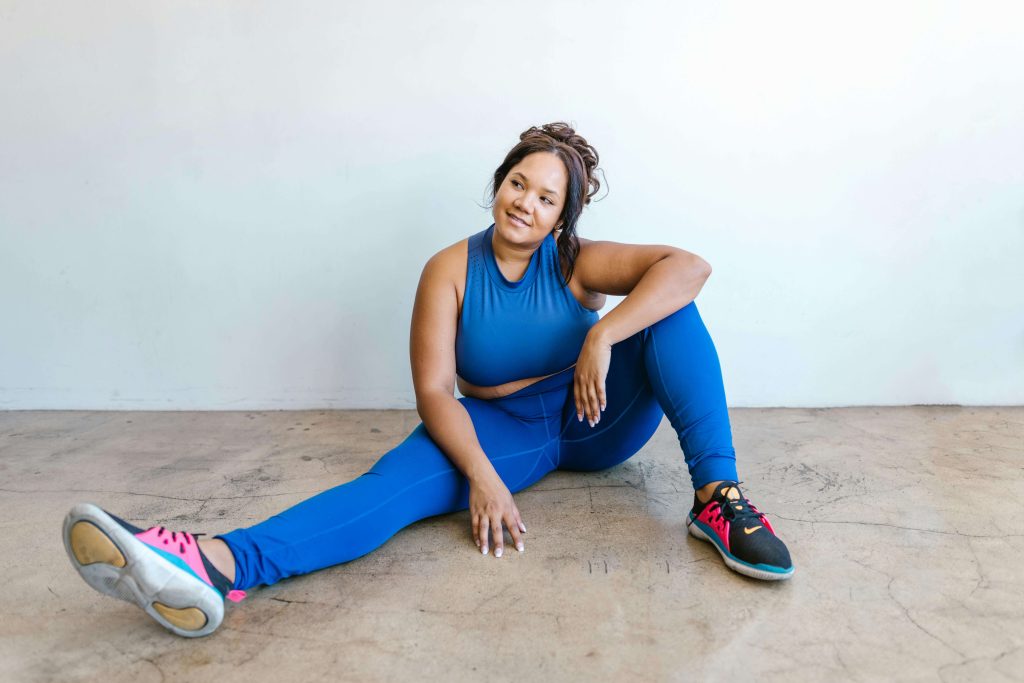
Society is quick to minimise or overlook eating disorders in bodies that don’t fit the stereotypical image—young, white, emaciated women who don’t eat. This reinforces the harmful idea that to be unwell, you have to look a certain way. This is a complete misnomer. Statistics show that less than 6% of people who suffer from eating disorders are clinically underweight¹. Of the remaining 94% who suffer from an eating disorder, a huge proportion do not appear to be visibly suffering. They are “high functioning”.
What that means is that a person “looks fine” on the outside, but all the while, they are engaging in disordered eating behaviours—restricting, over-exercising, bingeing, or obsessively thinking about food and their body. These behaviours are often minimised or normalised by them and those around them because they seem “healthy” or “in control and importantly, capable. Through eating disorder recovery coaching at Healthy Self Recovery, I’ve seen how dangerous this invisibility can be because the eating disorder gets overlooked and/or falls under the radar of parents, partners, and doctors.
What is a High-Functioning Eating Disorder?
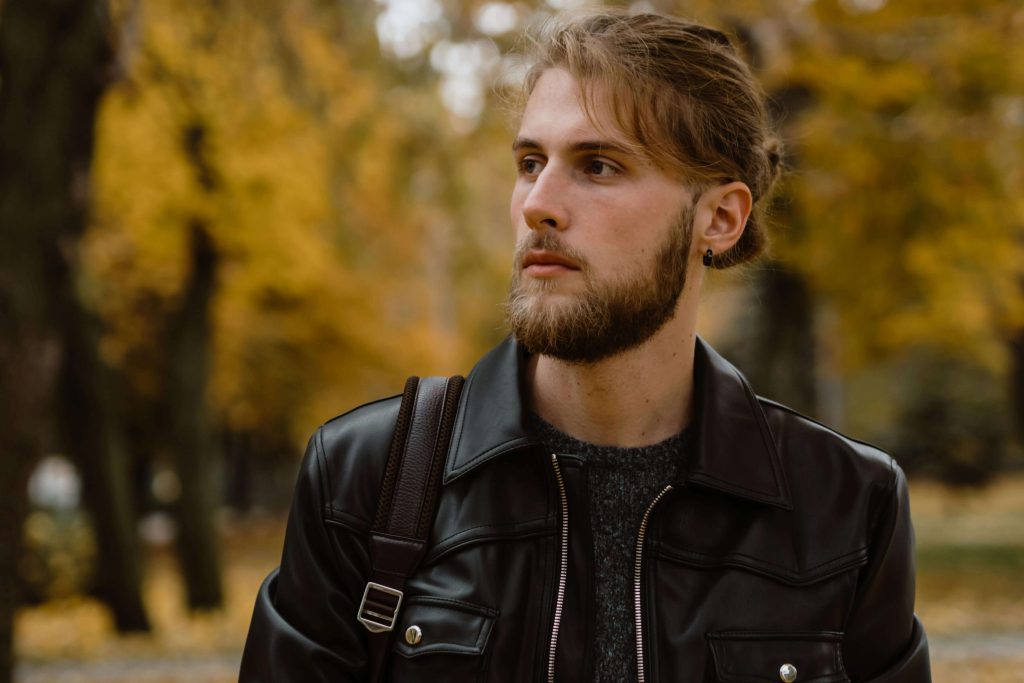
High functioning in terms of eating disorder is someone who seems to be successful, competent, and capable, and doesn’t appear to be struggling, and so no red flags are raised. Very often, these people excel in their studies and at work. People most likely comment on and praise them for their diligence and hard work. They may be maintaining relationships, and on paper, things look fine.
They may be known for being super disciplined and for their self-control. Never skipping a run or workout and always choosing the healthy thing to eat. In social settings, they appear to eat enough, or if not, seem to always have a plausible excuse for not doing so. They appear to be of a normal weight or perhaps even have the “ ideal” body that society so covets. At the doctor’s, their blood test results are all normal, so nothing is flagged. On paper, all is good.
The Reality Behind the Facade
The reality is that things are far from fine, and although they present as being well and having it all together, the reality is that their whole world revolves around an obsession with food and weight. They can’t stop thinking about food; every food choice is loaded and wracked with guilt and anxiety. Deeply unhappy with their bodies, they are intensely preoccupied with weight and the way they look. Physical exhaustion is constant, and even though they are always at the gym, they have to drag themselves there. Constant digestive issues and low mood become daily realities.
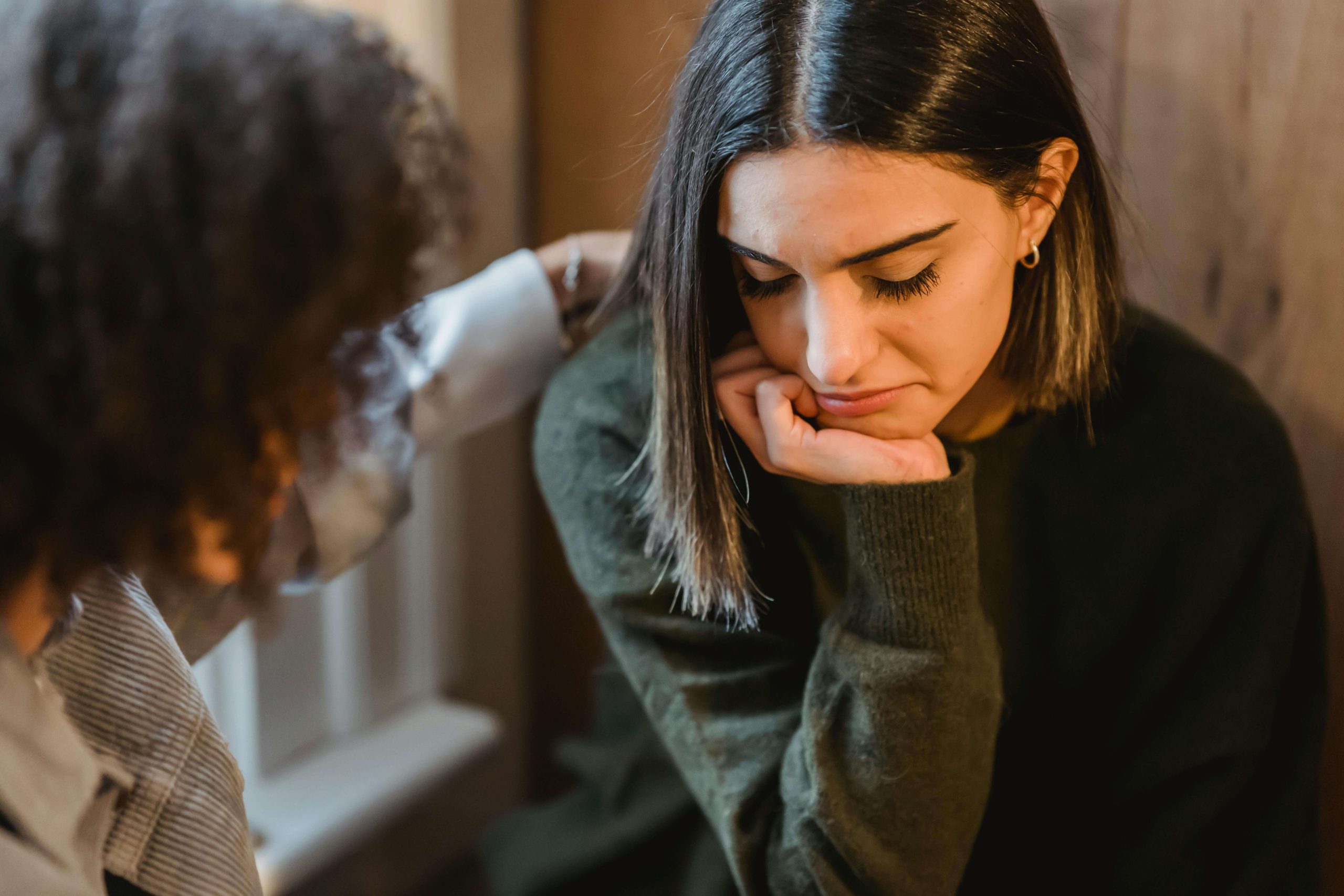
They are also mentally and emotionally exhausted from the constant effort to manage food, weight, and staying “in control”. Very often, they feel a deep sense of shame for struggling while seemingly being able to function and so do everything to hide or minimise their food struggles. Commonly, there is often a belief that their situation. isn’t “serious enough” to deserve help. All of this means that someone’s distress and suffering are often kept hidden, unnoticed, and so go unaddressed.
How External Success Often Hides an Internal Struggle
Many people who suffer from eating disorders are high achievers. They tend to put intense pressure on themselves to succeed and perform at a certain level. This drive causes intense anxiety. Controlling food and one’s body seems like the perfect way to get some short-term relief. The sense of relief that follows validates these behaviours. Over time, the behaviours become more frequent and more restrictive.
Perfectionism is another trait shared by many people who suffer from eating disorders. Like any trait, it can act as an asset and a liability. Perfectionism may drive a stellar career, studies, and success, but it also fuels eating disorder behaviours. Constantly striving for impossible standards in the way one’s body looks, how one eats and behaves, and relentlessly criticisng oneself to do better keeps someone solated in increasingly disordered behaviours.
Why Does Asking For Help Feel Impossible?
- We live in an achievement-driven society that applauds and rewards productivity. When you’re holding down a demanding job or excelling at your studies, the world tends to see only your competence and dismiss or miss the signs that you might be struggling. It’s easy, then, for someone to internalise the erroneous belief: “I should be able to handle this.” The truth is, functioning isn’t the same as thriving.
- The danger of appearing “healthy” or “capable” is that it invites dismissal—from others and from yourself. Being successful in one area of your life doesn’t mean you aren’t struggling in others. Being able to hold down your job, studies, or relationships doesn’t mean you aren’t struggling with food and body image, or that you aren’t worthy of support; it simply means you’re running on empty and all your energy is going into surviving rather than living your life to its full capacity.
- The truth is, you don’t need a specific body type to not be “functioning,” or even a diagnosis. You don’t have to earn support by falling apart. So long as your behaviours and thoughts are interfering with your mental and emotional health, your struggle is valid, even and especially when no one else can see it.
How an Eating Disorder Recovery Coach Can Help
If any of this resonated, perhaps it is time to consider working with an eating disorder recovery coach. Prior to being a coach, I worked in the corporate world myself, so I am acutely aware of the pressures of stressful, demanding environments and also recognise the subtle ways eating disorder behaviours hide behind success and discipline. As an eating disorder recovery coach, my approach is tailored to make recovery fit into your life. My approach is one of compassion with accountability, and I offer flexible eating disorder recovery coaching session options and confidential support designed to fit a busy schedule so that you can reach a place of peace with food and your body.
Start Your Recovery with Eating Disorder Recovery Coaching in England and Online Globally
You don’t have to keep running on empty. You don’t have to wait until you’re visibly falling apart to deserve help. If you’re exhausted from hiding your struggle behind success, it’s time to stop surviving and start living. At Healthy Self Recovery, eating disorder recovery coaching in England is designed specifically for high-functioning individuals like you. Recovery fits into your life with flexible, confidential sessions that work around your demanding schedule. You’ll get compassionate support with real accountability—so you can finally find peace with food and your body. Your struggle is valid. Your recovery is possible. And it starts now. Follow these three simple steps to get started:
- Book your free consultation with Healthy Self Recovery.
- Start working with a compassionate eating disorder recovery coach who understands high-functioning struggles.
- Begin finding peace with food and your body—while thriving in your life.
Additional Services Offered at Healthy Self Recovery
At Healthy Self Recovery, I work with high-functioning individuals who appear to have it all together on the outside but are struggling with disordered eating behaviours in silence. My eating disorder recovery coaching is designed for those who are exhausted from hiding their struggle behind success and discipline. I provide compassionate, flexible support that fits into your demanding life—helping you find peace with food and your body without needing to fall apart first. I also provide anorexia recovery support and eating disorder recovery coaching that focuses on restoring your relationship with food, managing anxiety around eating, and rebuilding trust with your body.
Support is compassionate, collaborative, and designed to meet you where you are, with space for your own emotional needs and practical guidance for navigating daily challenges. I offer online eating disorder recovery coaching to clients across England, the UK, and internationally, making support accessible wherever you’re based.
About The Author
Marianna Miles, CCIEDC 2061, is a Registered Nutritionist (Dip ION) and certified eating disorder recovery coach. She brings both professional knowledge and lived experience to her work. She specializes in supporting high-functioning individuals who struggle with disordered eating behaviours while maintaining outward success. With a background in the corporate world, she understands the pressures of demanding environments and offers compassionate, flexible support that fits into busy lives. Her approach focuses on helping clients find peace with food and their bodies while continuing to thrive in their personal and professional lives.
References:
¹ANAD. (n.d.). Eating disorder statistics. Retrieved from https://anad.org/eating-disorder-statistic/#:~:text=Fewer%20than%206%25%20of%20people,BMI%2C%20the%20higher%20the%20risk.